Light pollution in 2026: the world got 16% brighter, France 33% darker
New satellite data shows Earth's night getting brighter, while France cut its light emissions by a third with no new technology. Here is what changed.

 Perspective · Nature 2026
In questo articolo
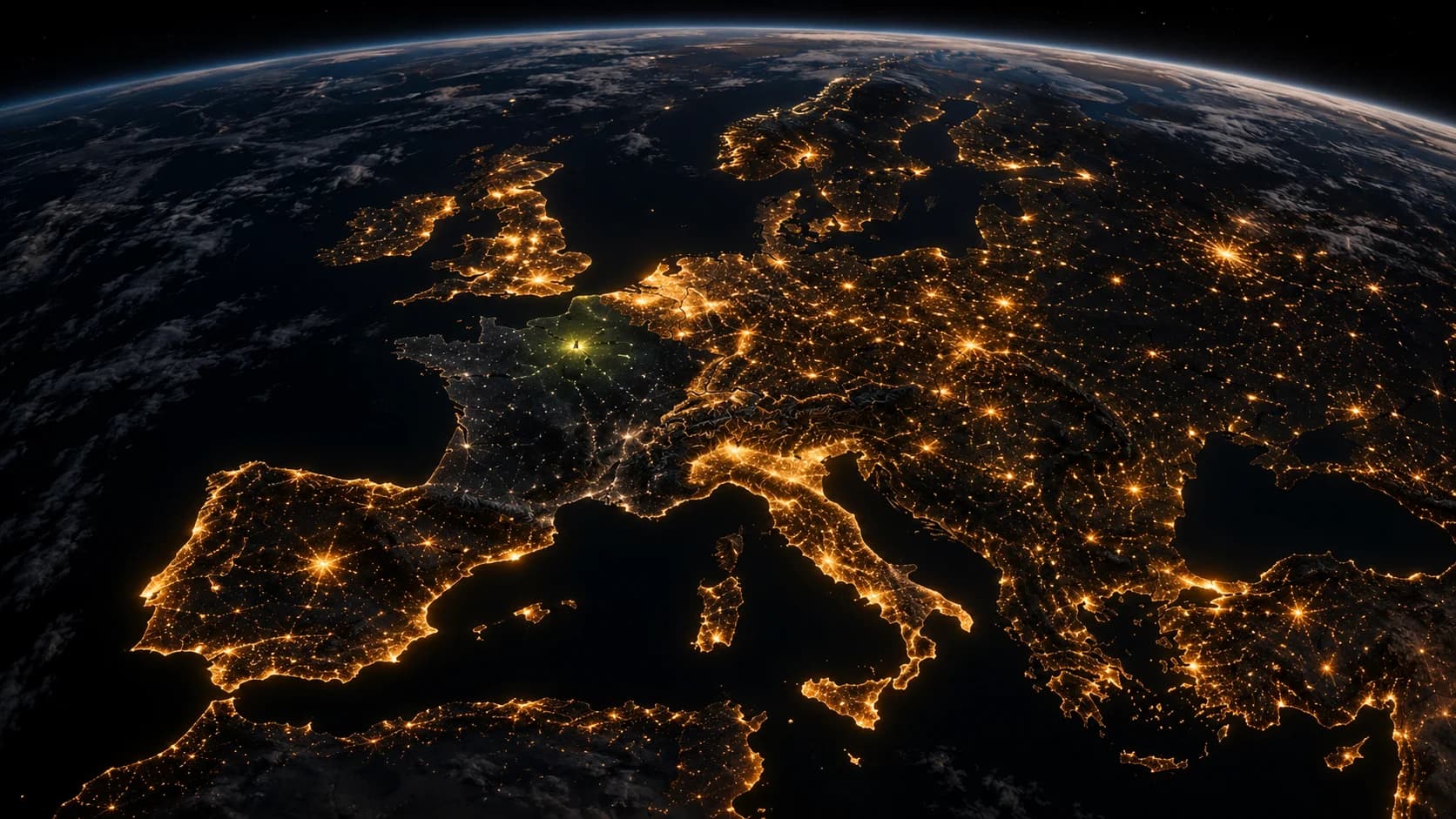
In April 2026, Nature published a decade of night-time satellite data, analysed by Christopher Kyba's team at Ruhr University Bochum. Between 2014 and 2022 the light Earth sends into space at night grew by about 2% a year, 16% in total. China and India brightened with urban growth. Europe dimmed by 4%. France fell 33%.
What France did differently
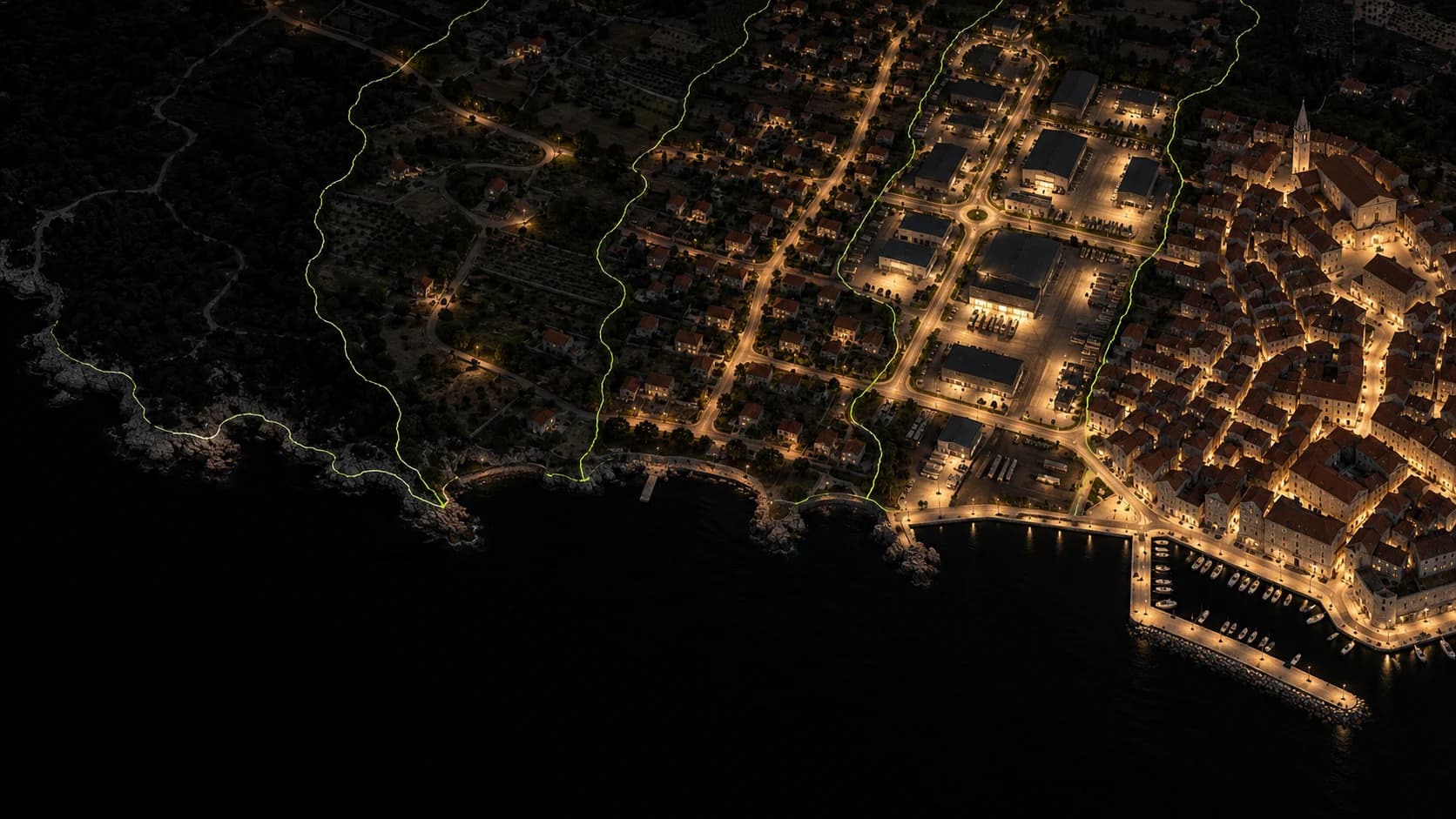
No new technology. Thousands of French municipalities switch their street lighting off in the middle of the night, and a 2018 decree set the rest: warm light of at most 3000 K, strict limits on upward light, and a January 2025 deadline to remove luminaires that throw more than half their light at the sky. A 2025 ground study by Rolf Buhler and colleagues, calibrated at 139 sites, confirms it: artificial illuminance in the middle of the French night is down 23% compared with 2013-2018.
Why 2% a year is the optimistic number
In 2023, Science analysed 51,000 observations from citizen scientists in the Globe at Night project. The sky people actually see brightened by about 9.6% a year between 2011 and 2022, 6.5% in Europe and 10.4% in the United States. The satellite sensor is nearly blind to blue light, and blue is where white LEDs emit most, so cities that swapped sodium lamps for LED look dimmer from orbit while their sky gets brighter from the ground.
The satellite sensor is nearly blind to blue light, which is where white LEDs emit most. Ground observers see the difference.
Design, not efficiency, is the variable
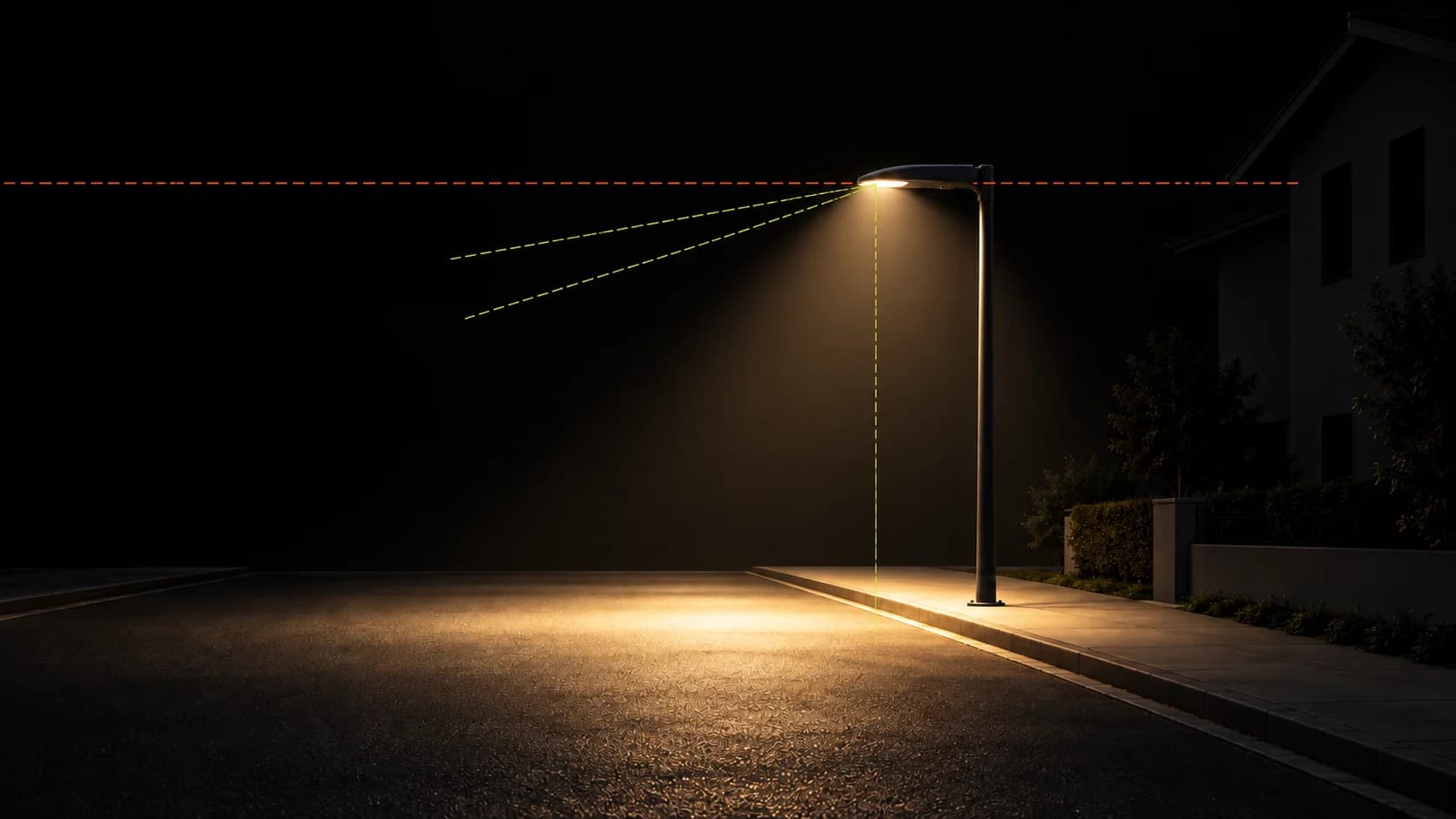
LED conversions cut street lighting energy by 50 to 70%. On their own they cut light pollution nowhere. What moved the French number was design: how much light goes in, where it points, and whether it stays on when nobody needs it. Those decisions are taken before the first luminaire is ordered, which is exactly where Taman starts. On a residential street in Pula, calculating the light the street needs first meant 45.8% less luminous flux for the same lighting classes.
“Light where it is needed. Darkness where it belongs.”
Kyba et al., Nature 652 (2026).
Design the light a street actually needs, before choosing the luminaire.

Lighting designer with more than 35 years in architectural and urban lighting and over 50 international awards. Founder of Taman.