Requirements first: Taman at Circular Lighting Live, London
At Circular Lighting Live 2026 in London, Dean Skira made the case for turning outdoor lighting design around: calculate the light a street needs first, then match or make the luminaire that delivers it.

 London · Circular Lighting Live 2026
In this article
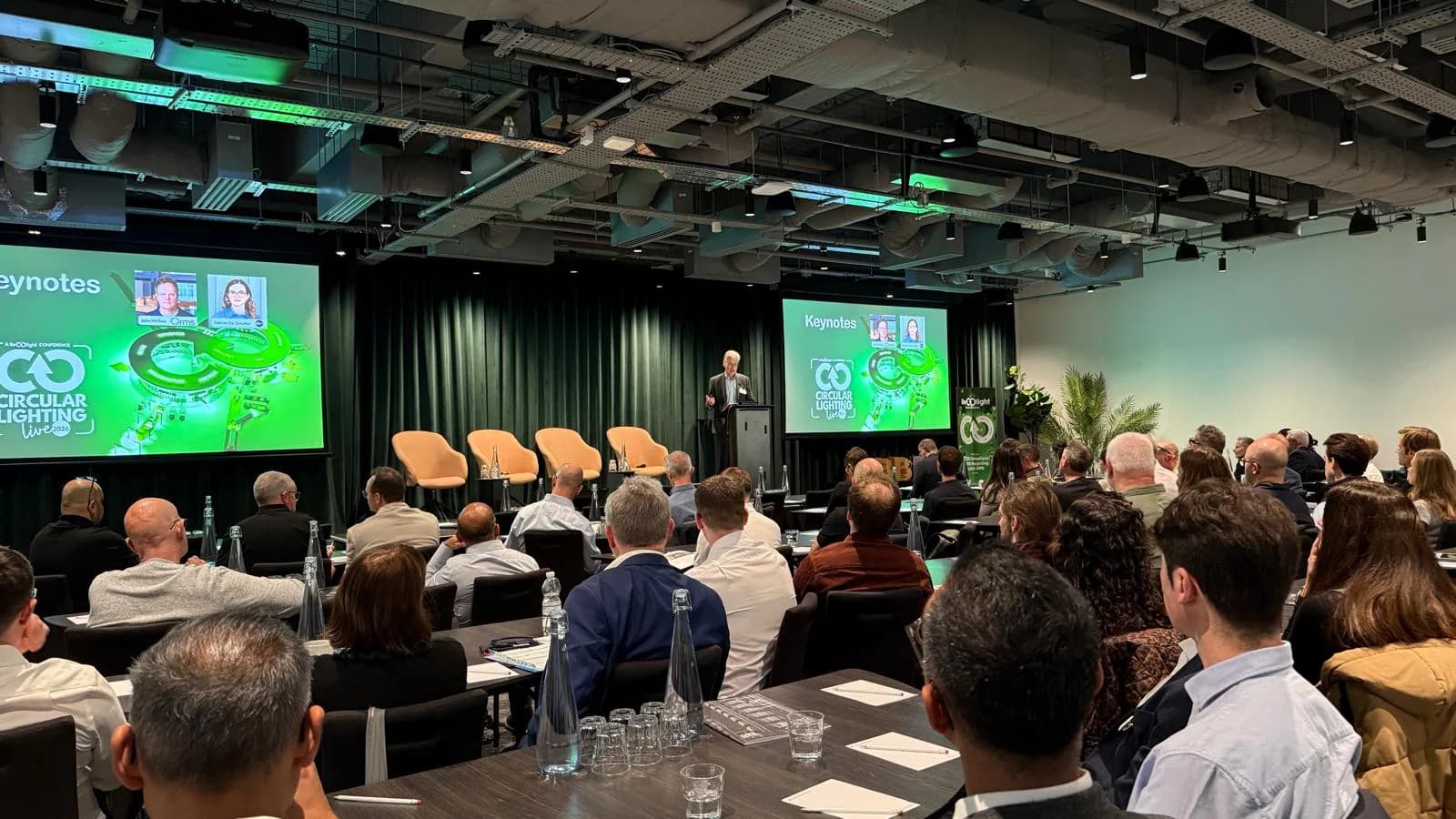
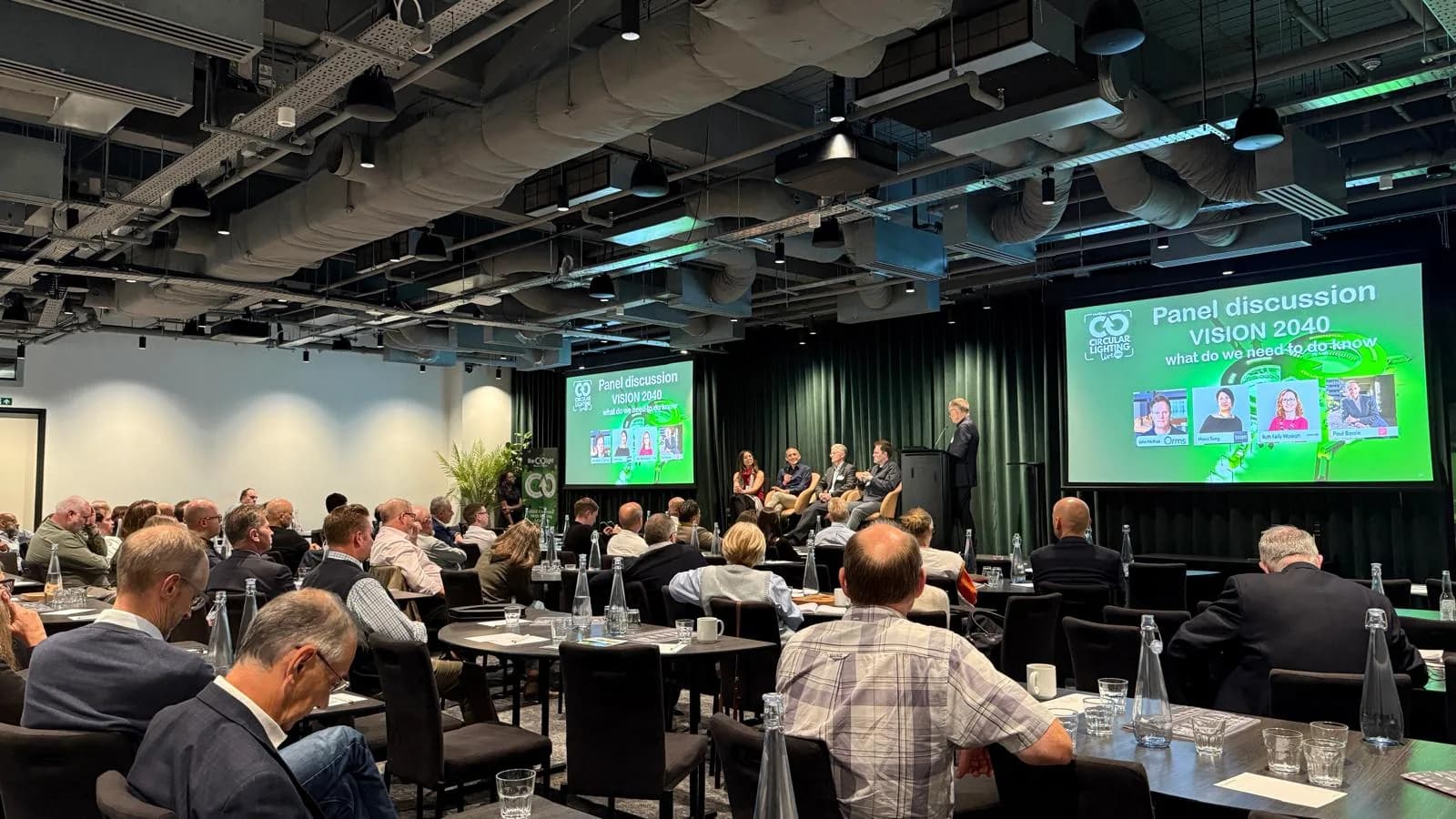
On Thursday 8 October 2026, Recolight brought specifiers, manufacturers and policy makers to the Minster Building in the City of London for Circular Lighting Live 2026. The theme was Vision 2040: Restructuring the lighting sector: standards and legislation, new business models, remanufacturing and less waste. Dean Skira's talk added a question that sits upstream of all of them: how much light does a street actually need?
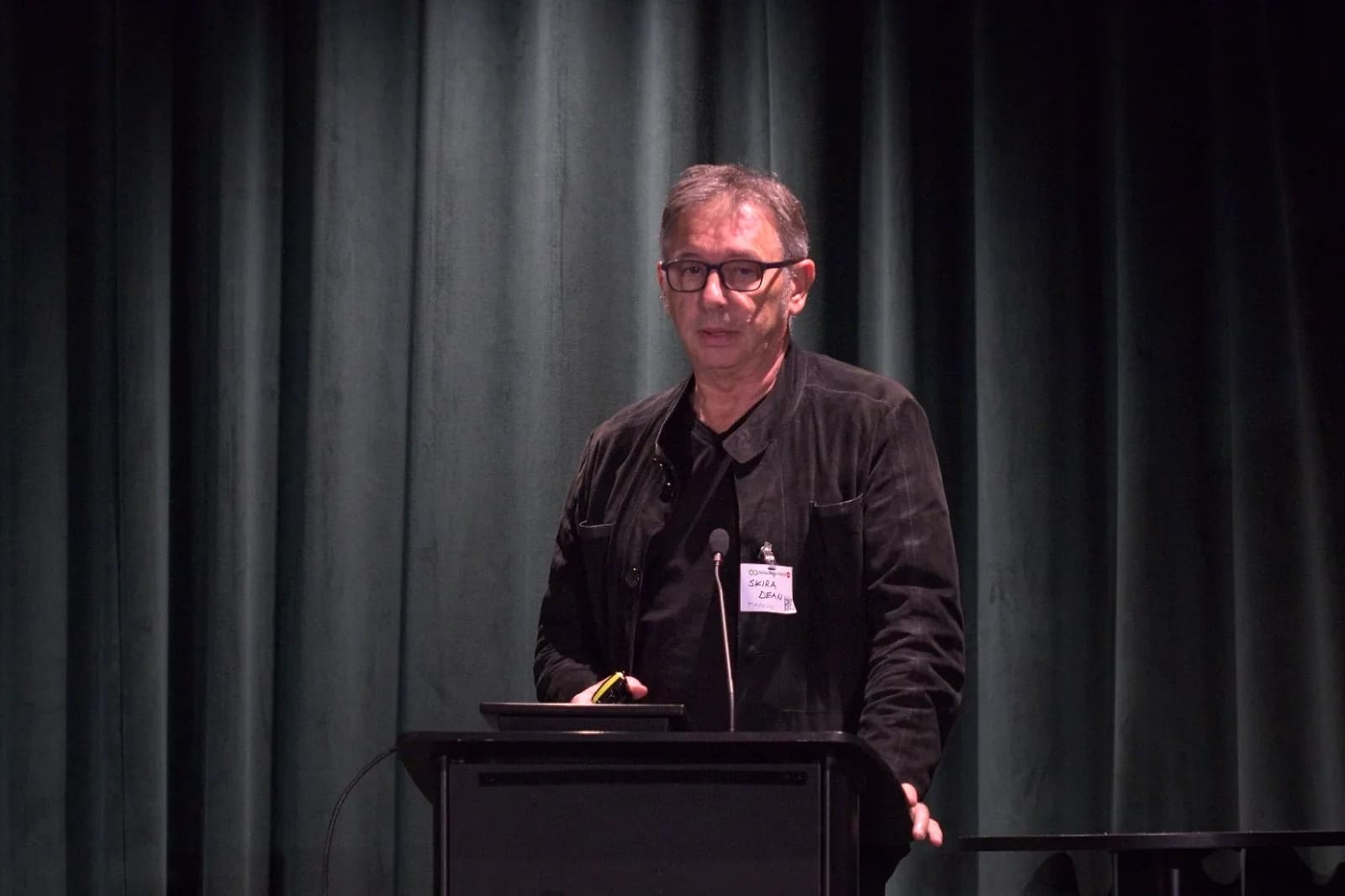
“What if we calculated how much light a street actually needs before choosing the luminaire?”
Product first, the way it has always been
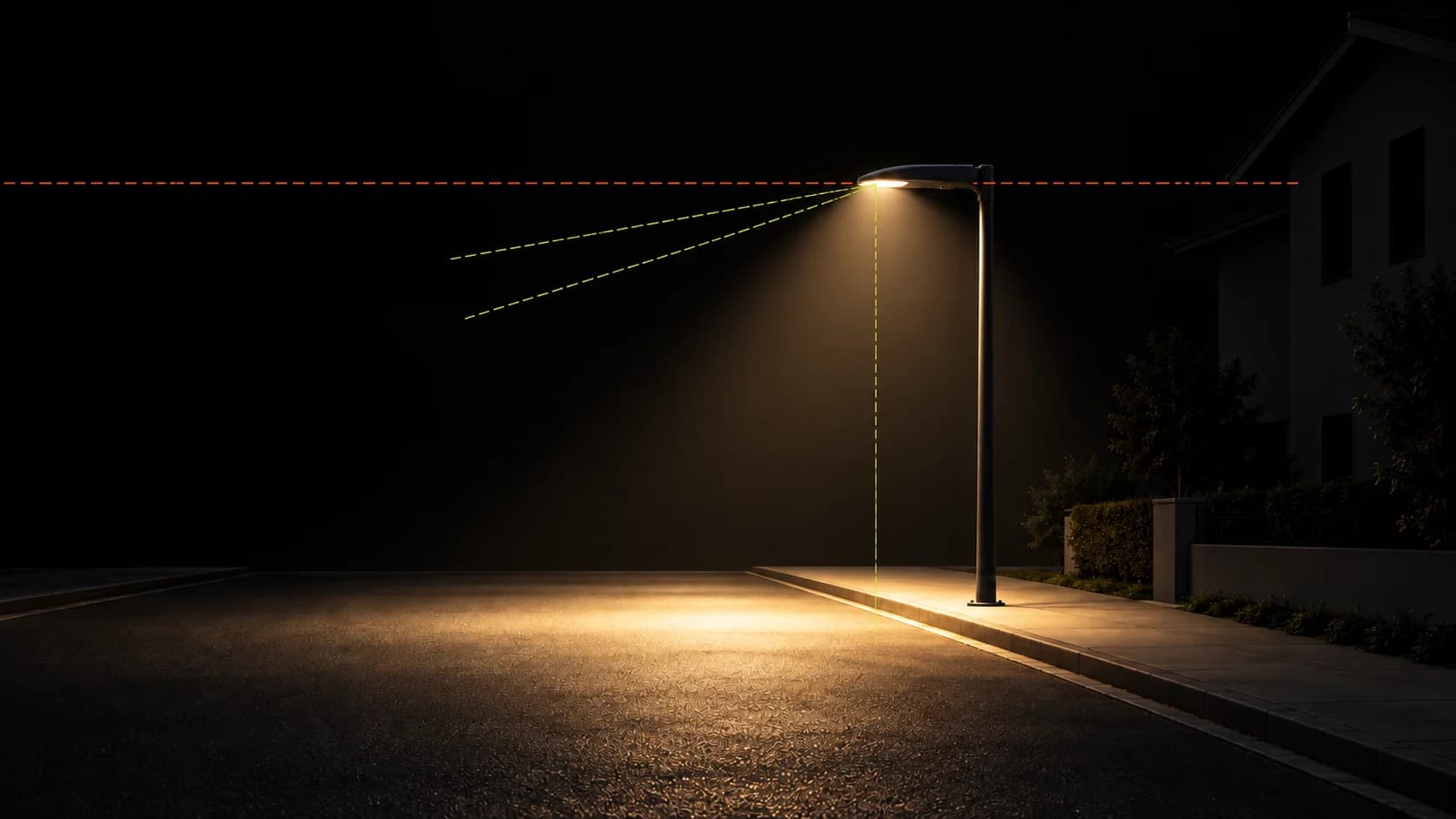
For decades, the industry has paid too little attention to where light actually goes. Public lighting is still implemented the same way: search a catalogue, specify a luminaire, calculate, install. The calculation usually looks only at the road surface between two poles, while the sidewalks, facades and windows around it get whatever the chosen optic spills there. Similar luminaires end up on very different streets, and unnecessarily wide beams send light, energy and money where nobody needs them.
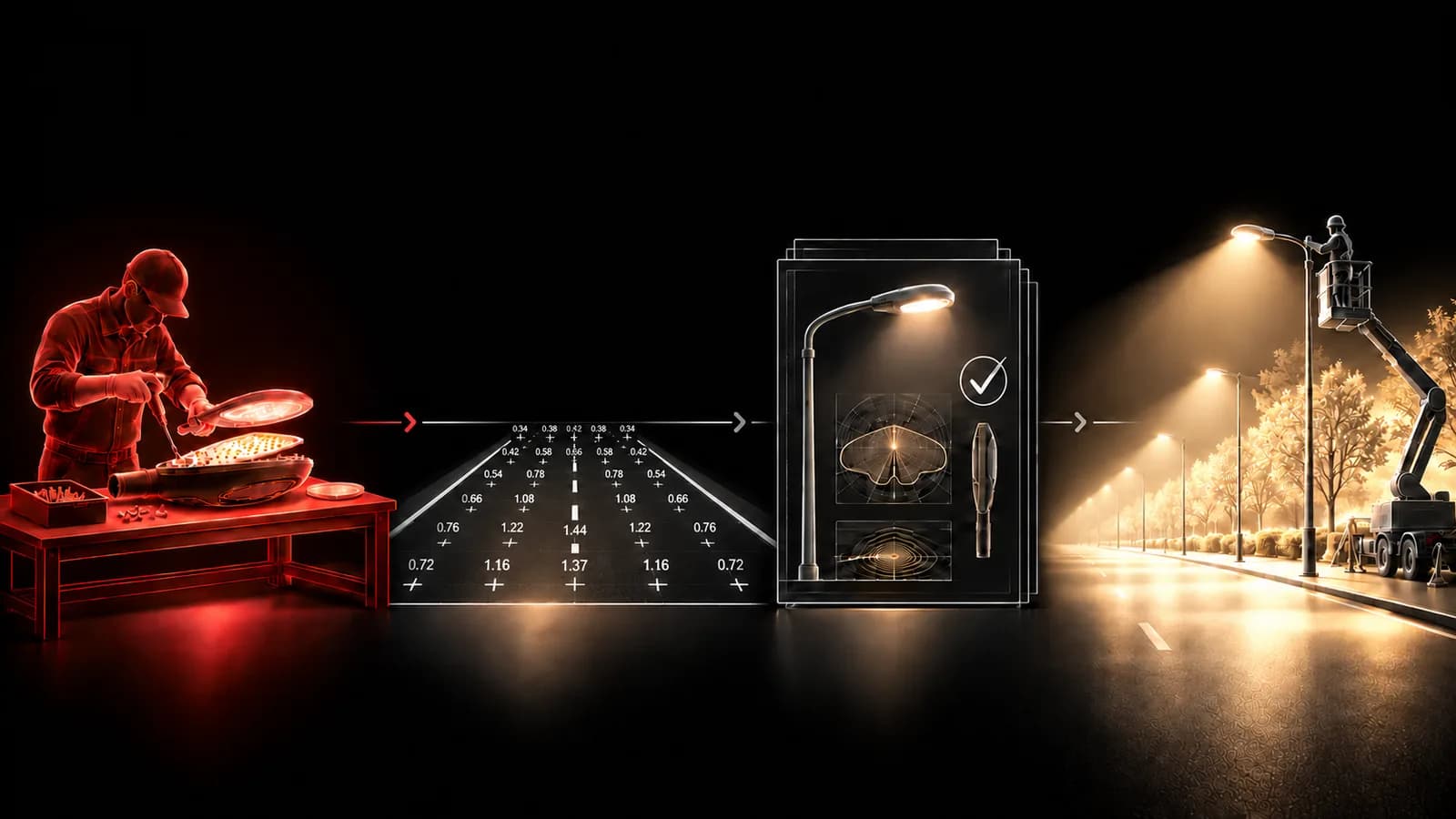
Reverse the process
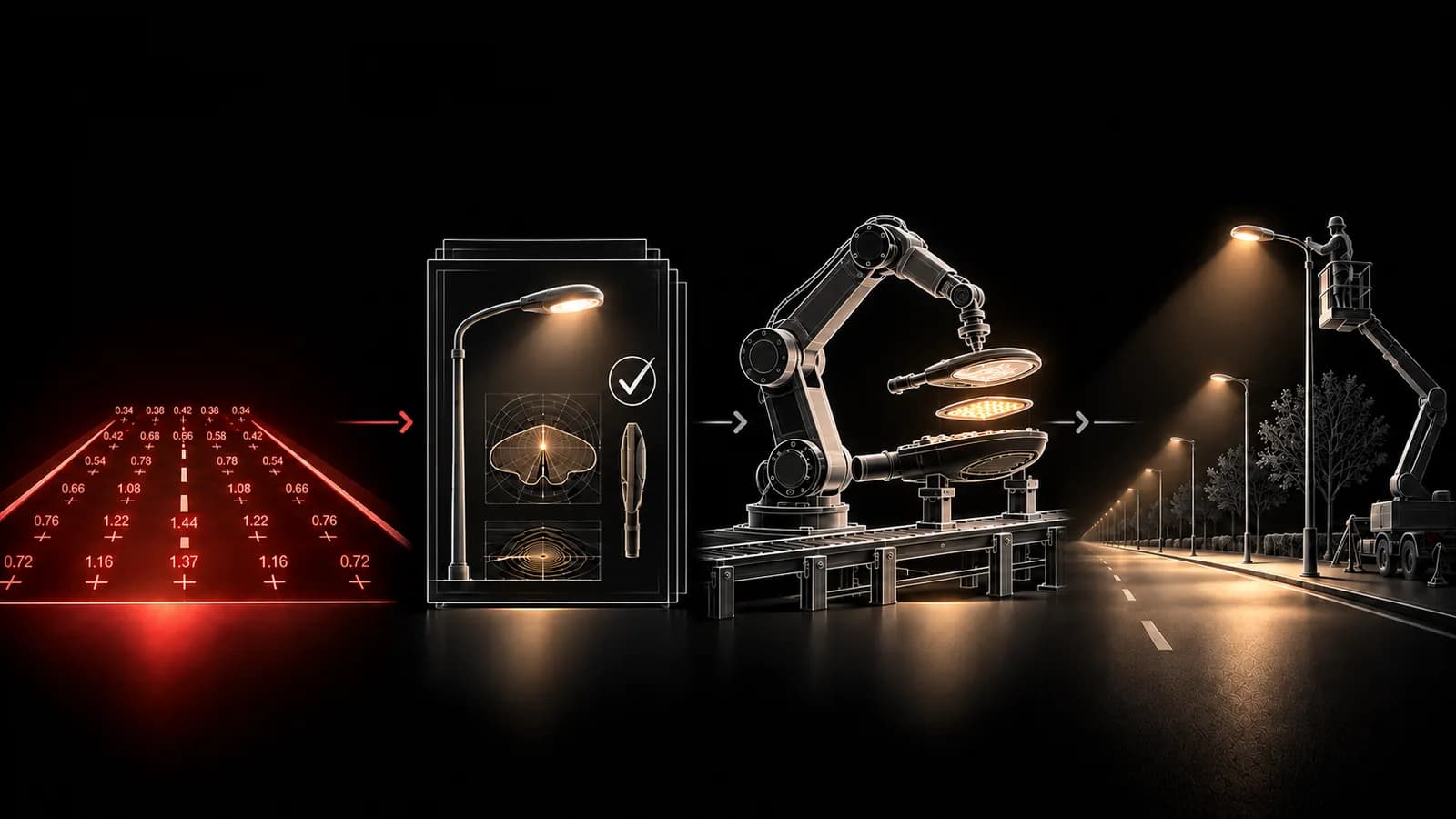
Dean's answer was to turn the order around. Taman starts with the urban environment, not the product:
- Model the street in 3D: roads, sidewalks, buildings, and the lighting class each surface has to meet.
- Calculate the light it needs: Taman works out the light distribution and flux the site requires, before any luminaire is chosen.
- Match or make the luminaire: Market Match finds the closest available products in manufacturer catalogues, or the curve becomes the brief for a new optic.
An eye doctor for the city at night
Nobody picks glasses off a shelf before an eye examination. The prescription comes first, and the lenses are made to it. Dean described Taman the same way: an eye doctor for the city at night that diagnoses where light is needed, identifies where it is excessive, and prescribes the photometric distribution. The luminaire is then made, or matched, to that prescription.
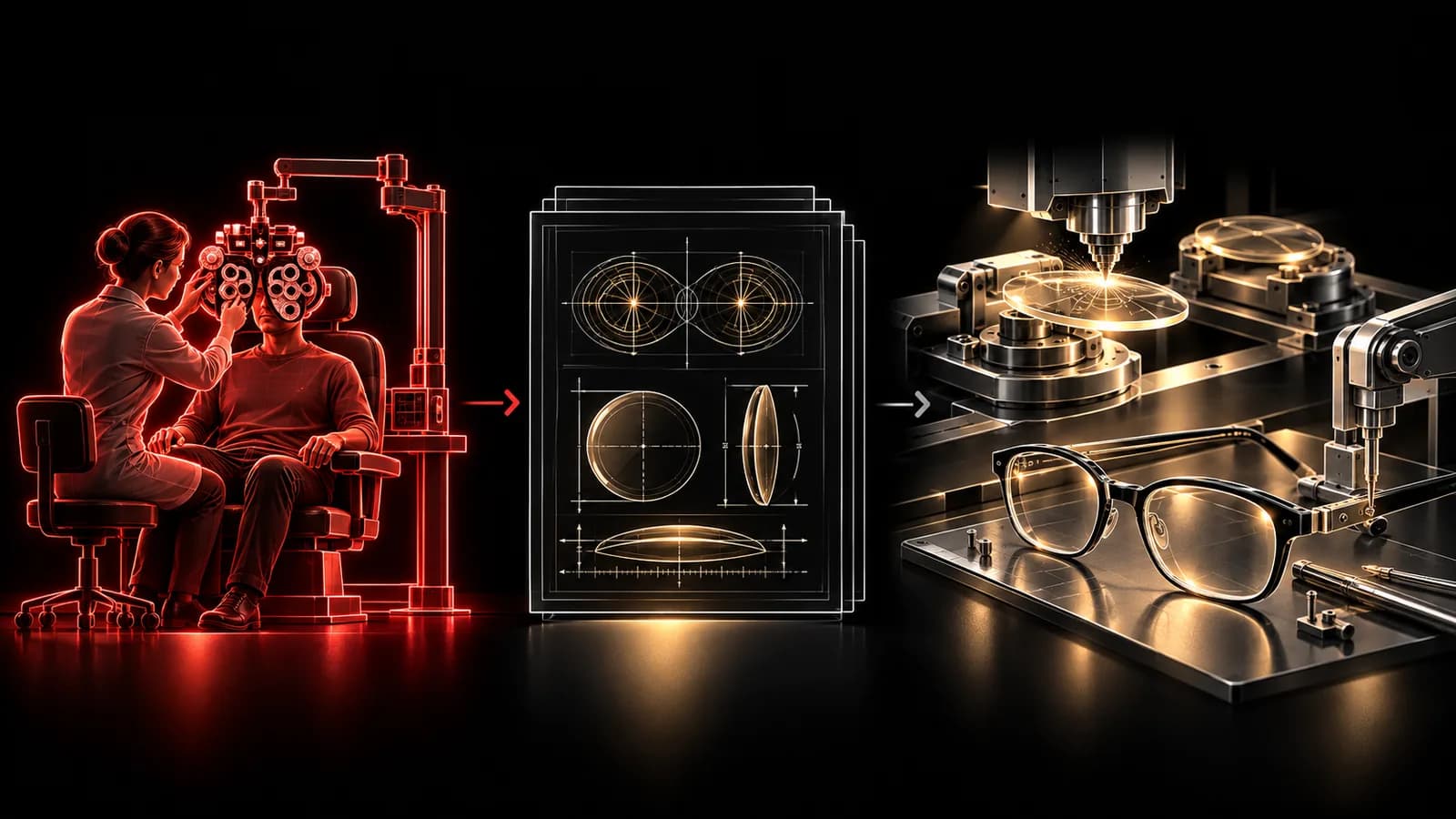
From the curve to the luminaire
Dean also showed where this leads industrially. The Taman Automatic Lens Configurator (TALC) turns a target curve into a lens and LED matrix that can be built as a module, so a luminaire can be manufactured, or remanufactured, for the light one street needs: lower production and maintenance costs, and less waste.
Vision 2040
The rest of the day looked at the sector as a whole: John McRae of Orms opened with the Vision 2040 keynote, Sabine De Schutter of Studio De Schutter spoke about upcycling in Beyond Fast Lighting, and the panels covered EPDs, circular economy legislation, remanufacturing and AI-assisted design. Requirements-first design fits that agenda: the most circular luminaire is one that delivers exactly the light a place needs and nothing it doesn't.
“Light where it’s needed. Darkness where it belongs.”
Thank you to Recolight for the invitation, and to everyone who came to the talk and stayed for the conversation.
We're inviting early-access partners to test Taman on real projects.

Lighting designer with more than 35 years in architectural and urban lighting and over 50 international awards. Founder of Taman.